Clinic Management Systems Transforming Medical Centers into Efficient Institutions
In today’s fast-paced healthcare environment, clinic management systems have become essential tools for transforming medical centers into organized and efficient institutions. They help manage appointments, maintain medical records, improve patient communication, and increase staff productivity.
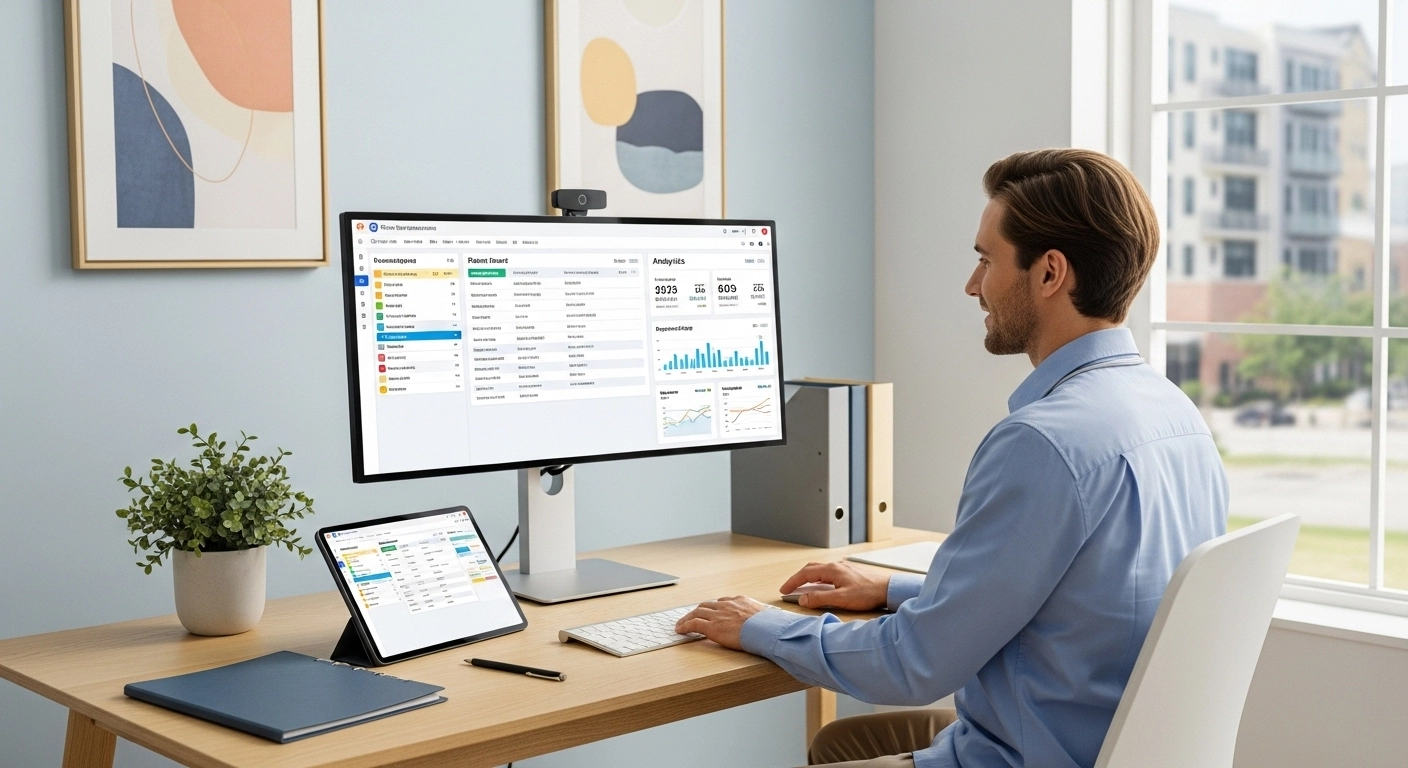
Medical centers today face multiple challenges, from growing patient numbers to complex administrative processes and the need to maintain high-quality care. In this context, clinic management systems (CMS) have become a strategic necessity rather than a simple digital tool.
These systems allow healthcare providers to streamline daily operations, enhance patient experience, and boost the efficiency of medical and administrative staff. By integrating medical, administrative, and technological aspects, clinic management systems improve performance and deliver comprehensive healthcare services.
This article explores the importance of clinic management systems, their key components, the benefits they offer, and practical steps to implement them successfully, transforming medical centers into highly efficient and organized institutions.
1. What Are Clinic Management Systems?
Clinic management systems are integrated software solutions designed to organize all clinic operations, including appointment scheduling, patient registration, electronic medical records (EMR), patient communication, and financial and administrative reporting.
These systems unify medical and administrative processes, reduce human error, and enhance the experience for both patients and healthcare staff.
2. Why Clinics Need Management Systems
Relying on traditional methods for clinic management leads to several problems:
- Overcrowded schedules and delayed patient service
- Difficulty tracking medical records and patient history
- Data duplication and increased error potential
- Weak communication between departments and staff
- Challenges generating accurate reports for administrative decisions
Modern clinic management systems solve these problems through automation, data organization, and streamlined digital communication.
3. Key Components of Clinic Management Systems
A typical clinic management system includes several interconnected modules:
- Appointment management and online scheduling
- Patient registration and electronic medical records (EMR)
- Patient communication via messaging or apps
- Billing and payment management
- Administrative dashboards and detailed reports
- Smart alerts for follow-ups or tests
4. Benefits of Clinic Management Systems
- Enhancing patient experience: accurate appointments, easy follow-up, and direct communication with medical staff
- Increasing staff efficiency: automation of routine tasks saves time for doctors and administrative staff
- Reducing errors: integrated data and analytics minimize administrative and medical mistakes
- Improving decision-making: accurate and fast reporting for financial and operational decisions
- Boosting organization: structured scheduling and precise tracking of patients and services
5. Role of Technology in Improving Clinic Management
Digital transformation has greatly enhanced clinic efficiency:
- Smart mobile applications: simplify appointment booking and patient follow-up
- Electronic medical records (EMR): provide complete medical history for each patient
- Management dashboards and analytics: help administrators monitor performance and make informed decisions
- Integration with HIS and CRM systems: ensures a seamless experience for staff and patients, improving departmental communication
6. Challenges in Implementing Clinic Management Systems
- Staff resistance to change
- Initial implementation costs and integrating with existing systems
- Need for continuous training to ensure optimal use
- Regular updates for medical data and standards to maintain accuracy
7. Practical Steps to Successfully Implement a Clinic Management System
- Assess current clinic workflows and analyze requirements
- Choose a system suitable for clinic size and needs
- Train medical and administrative staff on effective use
- Monitor performance using KPIs and analyze results
- Update the system and integrate it with other hospital systems for full efficiency
Conclusion
Clinic management systems are not just digital tools; they are essential for transforming medical centers into organized and efficient institutions.
By streamlining appointments, improving communication, reducing errors, and providing accurate reporting, clinics can enhance patient care, boost staff productivity, and achieve long-term operational effectiveness.