The Cost of Every Lost Minute Inside a Hospital
In healthcare, a single minute can make the difference between operational efficiency and costly delays or even between life and death. Lost time inside hospitals affects patient satisfaction, staff productivity, and financial performance. This is where a Hospital Information System (HIS) plays a critical role in streamlining workflows, reducing delays, and improving healthcare operations. In this article, we explore the real cost of wasted time inside hospitals and how modern healthcare systems can solve this challenge.
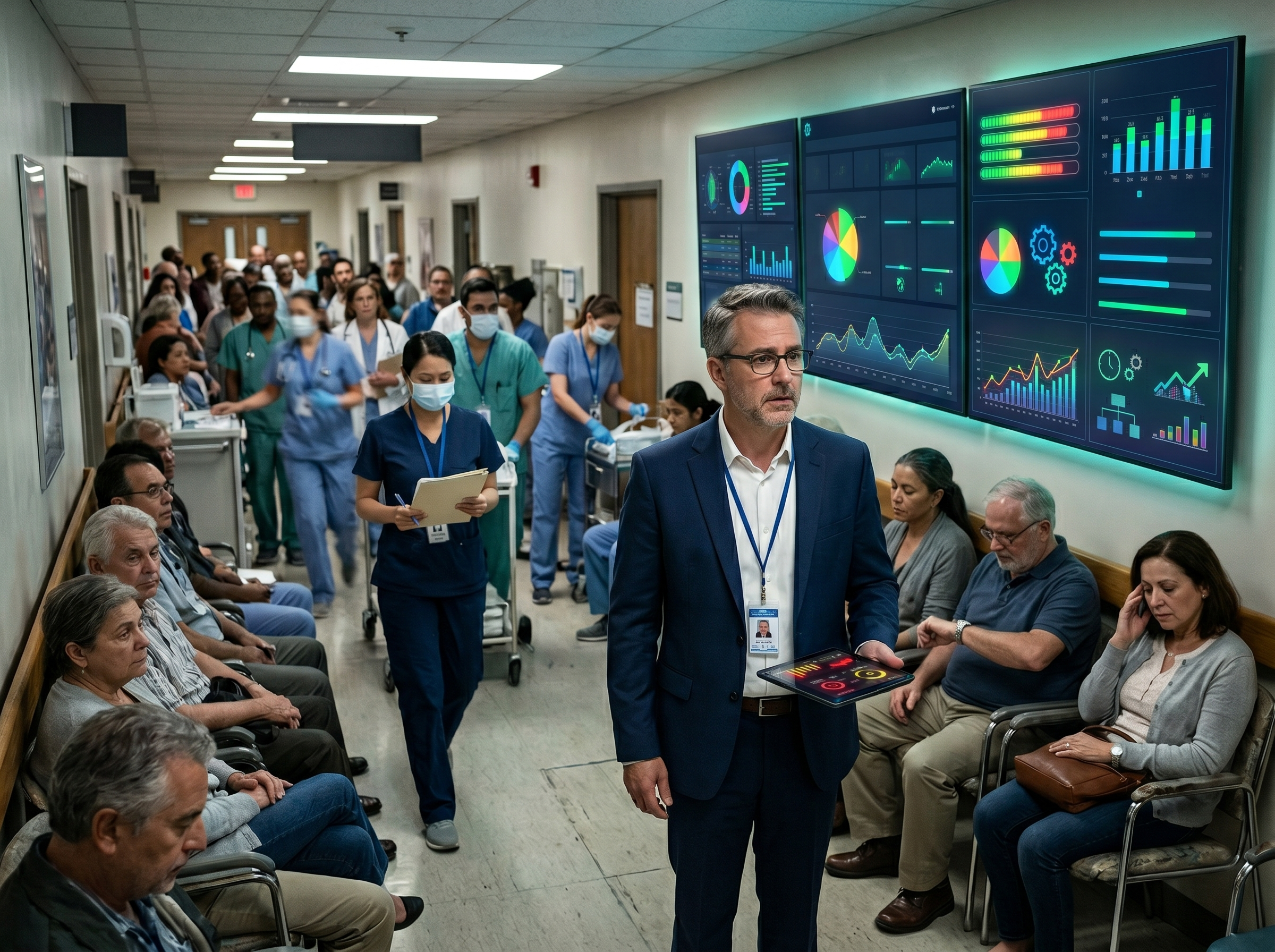
Inside a hospital, time is far more than a scheduling factor—it is a critical operational resource directly linked to patient outcomes, financial performance, and healthcare quality. Every lost minute can lead to delayed diagnosis, longer waiting times, staff burnout, and increased operational costs.
As healthcare systems continue evolving, hospitals are increasingly relying on Hospital Information System (HIS) solutions to reduce inefficiencies and optimize workflows.
But an important question remains:
What is the true cost of every lost minute inside a hospital?
Why Time Is a Critical Factor in Hospitals
Unlike many other industries, time in healthcare directly affects human lives.
Even small delays can result in:
- Slower patient treatment
- Increased pressure on emergency departments
- Reduced patient satisfaction
- Higher operational expenses
For this reason, modern hospitals continuously seek ways to eliminate wasted time and improve operational speed.
Where Is Time Lost Inside Hospitals?
Several daily processes contribute to time waste inside hospitals.
1. Manual Registration Processes
Hospitals that still rely on manual patient registration often experience:
- Longer patient intake times
- Data entry errors
- Delayed medical procedures
A Hospital Information System (HIS) automates registration and connects patient data across departments.
2. Slow Access to Medical Records
Searching for paper-based patient records can lead to:
- Delayed diagnosis
- Interrupted physician workflows
- Longer patient waiting times
Digital systems provide instant access to patient information.
3. Poor Interdepartmental Coordination
Without integrated systems:
- Laboratory results may be delayed
- Radiology workflows become inefficient
- Patient journeys become fragmented
Integrated healthcare systems improve communication between departments.
4. Inefficient Appointment Scheduling
Poor scheduling leads to:
- Crowded clinics
- Physician delays
- Lower patient satisfaction
Smart scheduling systems improve patient flow and resource utilization.
The Financial Impact of Lost Time
Many hospital administrators underestimate the financial consequences of wasted minutes.
However, when delays are multiplied across hundreds of patients daily, the costs become significant.
How Does Time Loss Affect Revenue?
If every patient experiences an additional 10-minute delay:
- Hospital capacity decreases
- Staff productivity declines
- Operational costs increase
Every wasted minute creates additional pressure on:
- Salaries and labor costs
- Resource consumption
- Daily operations
Impact on Patient Experience
Today’s patients expect fast and efficient healthcare services.
The most common patient complaints include:
- Long waiting times
- Slow procedures
- Poor organization
Even hospitals with highly skilled physicians can lose patient trust if operational delays persist.
Impact on Healthcare Staff
Time inefficiencies affect healthcare professionals as well.
Operational delays often cause:
- Increased staff stress
- Burnout among physicians and nurses
- Reduced productivity
By automating routine tasks, hospitals allow medical teams to focus more on patient care.
How Hospital Information System (HIS) Reduces Time Waste
A Hospital Information System (HIS) plays a central role in improving hospital time management.
1. Workflow Automation
HIS automates tasks such as:
- Patient registration
- Billing
- Appointment scheduling
This significantly reduces manual work and delays.
2. Department Integration
The system connects:
- Laboratories
- Radiology departments
- Pharmacies
- Clinics
This improves communication and speeds up patient care processes.
3. Real-Time Data Access
Hospital administrators can monitor:
- Waiting times
- Department congestion
- Staff performance
Real-time visibility enables faster operational decisions.
4. Emergency Department Optimization
Time is especially critical in emergency departments.
A Hospital Information System (HIS) helps by:
- Accelerating patient triage
- Prioritizing urgent cases
- Improving emergency response times
Smart Hospitals and Time Management
Modern hospitals are becoming increasingly data-driven.
Smart hospitals:
- Track operational timing metrics
- Identify bottlenecks
- Continuously optimize workflows
This creates a significant competitive advantage in healthcare delivery.
Can Hospitals Measure the Cost of Lost Time?
Yes. Hospitals can evaluate operational efficiency using metrics such as:
- Average patient waiting time
- Diagnostic turnaround time
- Patient length of stay
- Daily patient throughput
These indicators provide valuable insights into hospital performance.
Challenges in Improving Time Efficiency
Despite the importance of time management, hospitals face several challenges:
- Limited digital transformation
- Resistance to change
- Lack of staff training
- Disconnected systems
However, these challenges can be overcome through proper implementation of integrated healthcare technologies.
Conclusion
Every lost minute inside a hospital carries a real cost that affects healthcare quality, operational efficiency, and financial performance.
As competition in the healthcare sector increases, hospitals must rely on Hospital Information System (HIS) solutions to reduce delays, improve patient experiences, and optimize daily operations.
Ultimately, hospitals that manage time efficiently are the ones most capable of achieving long-term success and sustainability.